
From a Chinese factory to a consumer in Southeast Asia or North America: selection, operations, first-mile, customs, warehousing, delivery. We run the whole chain ourselves rather than handing it to someone else.
Southeast Asia and North America & Australia are not the same business. Southeast Asia is won on localisation, cost and turnover, so we go broad across four everyday-demand categories and build channel brands. North America and Australia are won on compliance, quality and brand — supplements are a separate track, run entirely apart from Southeast Asia.
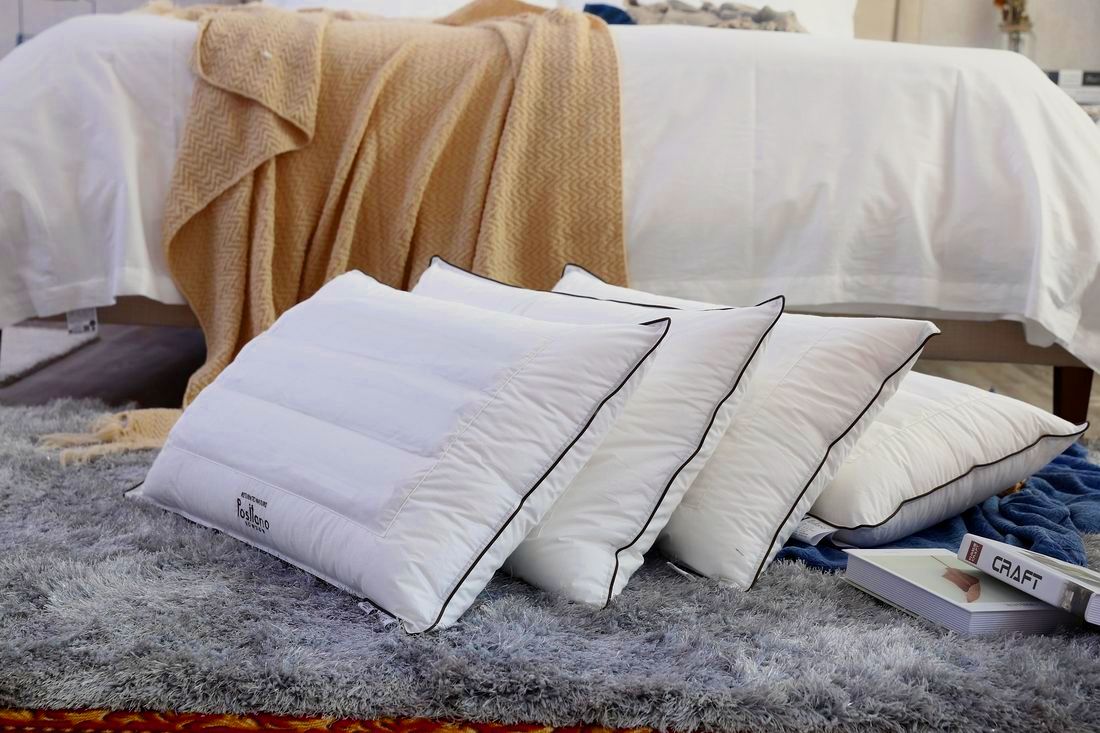
Bedding, towels, curtains, rugs and mats, cushion and sofa covers
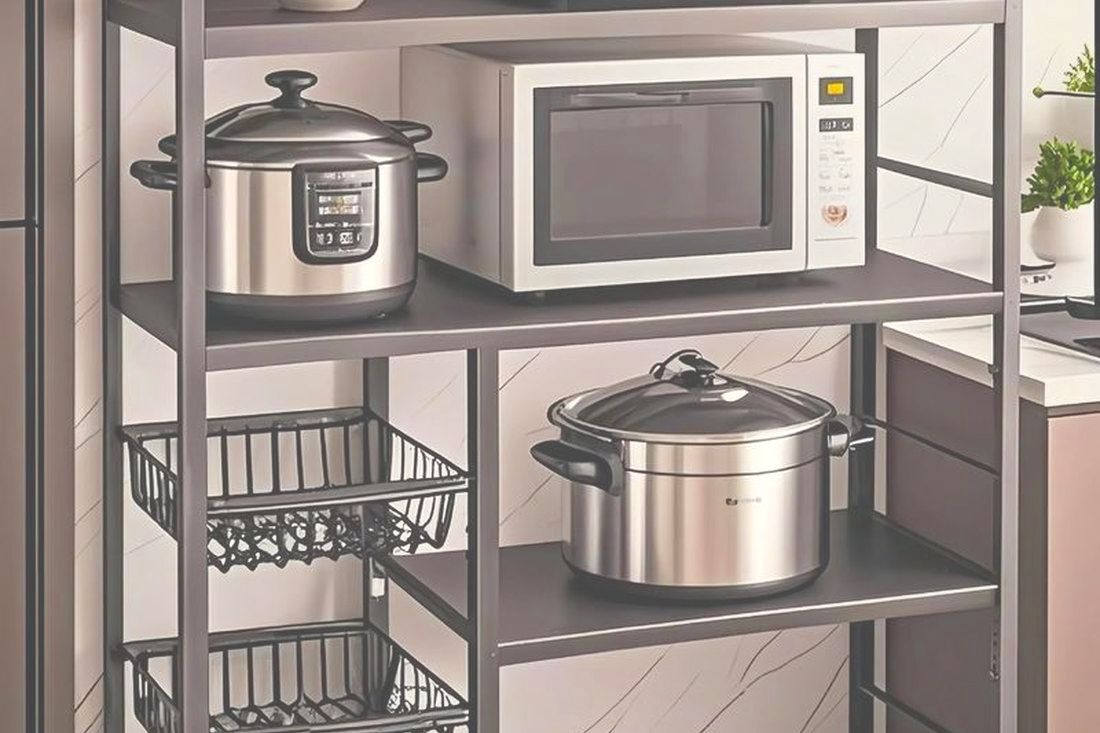
Storage, cleaning, kitchen, bath and small-appliance accessories
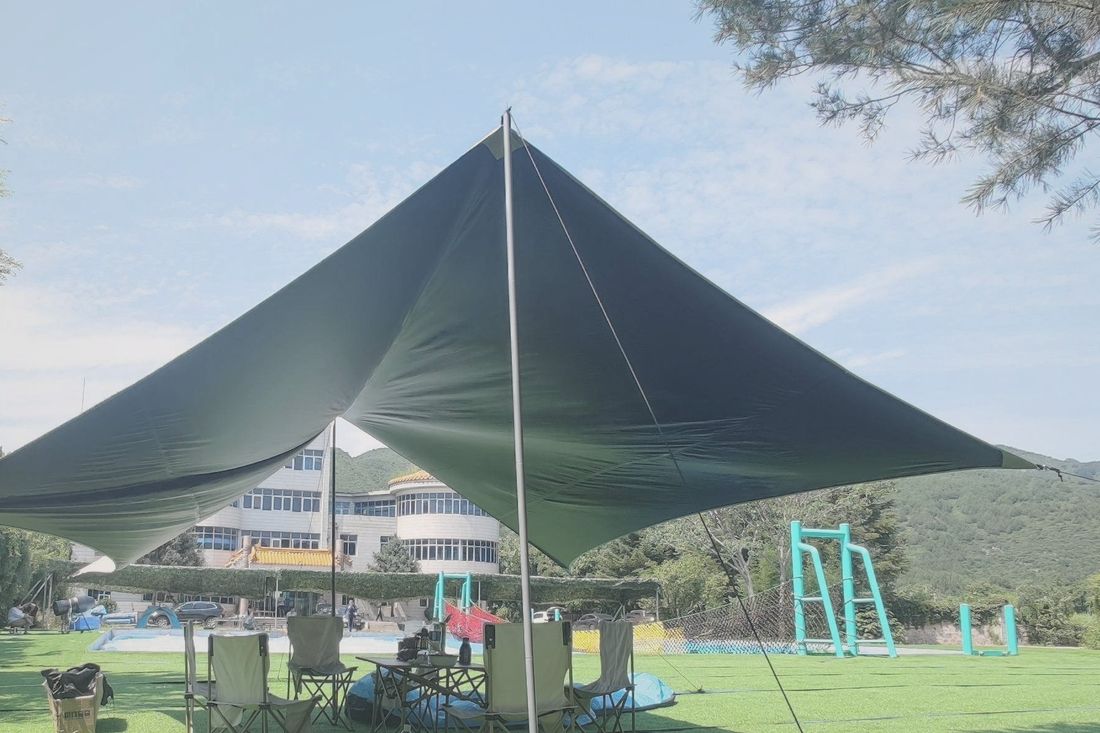
Fitness, cycling, camping, watersports and accessories

Hardware, plumbing, electrical, lighting, wall and floor materials, door and window fittings

Tablets, capsules, gummies, powders. North American consumers repeat-purchase supplements reliably over long periods, and the category demands far more of a seller than ordinary consumer goods: licences, batch-to-batch consistency, regulatory compliance. That barrier is precisely the moat. We would rather go deep here than spread thin.
Which raises the bar for suppliers too: traceable manufacturing credentials, consistent batch quality, and OEM / ODM capability.
We own several supplement brands in North America, focused on specific wellness segments, with product quality as the priority. This route is not about breadth — it is about whether product, supply chain and compliance can be made genuinely solid in one category.
Thailand is the market where the model was proven, and the starting point for every market we replicate into. What we copy into a new country is not a storefront — it is the whole method of selection, operations and fulfilment.
All own-operated stores.
What actually sells in an overseas market is usually not something you can work out from a desk in Shenzhen. Differences in culture, climate, religion and daily habits make “experienced judgement” an unreliable instrument in cross-border trade. So we hand selection to data and AI.
We have built our own data and AI toolchain covering market insight, demand identification, selection decisions and listing operations. What it replaces is not people, but people's accumulated bias — behind every decision to scale a product is real market feedback, not one buyer's intuition on a given day.
We favour products with broad, universal demand that can be standardised, shipped by sea, and adapted locally — packaging, specification, language and compliance marking adjusted per destination. Universality is what lets a product replicate across markets; localisation is what lets it go deep in one.
A product that works is not the finish line — it is the starting point for supply-chain depth. We keep deepening how we work with core suppliers, moving from quoting and purchasing towards joint development, dedicated supply and shared quality standards, so a short-term winner becomes a long-term product advantage.
Not a round of price comparison, but a long-term relationship where the product gets better together. We share real overseas sales figures, return rates and buyer reviews with you — you improve the product on that basis, and we scale it on that basis.
Five categories. Criteria and process published in full, clear answer within three business days.
See supplier criteria → I want to use your Thai warehouseFulfilment, first- and last-mile, local credentials and managed operations. Billing rules public.
Request pricing → I want to work hereOperations, product development, supply chain, platform and technology. No experience required.
See open roles →